Iced Oat-Milk Coffee for One, Without Watery Flavor
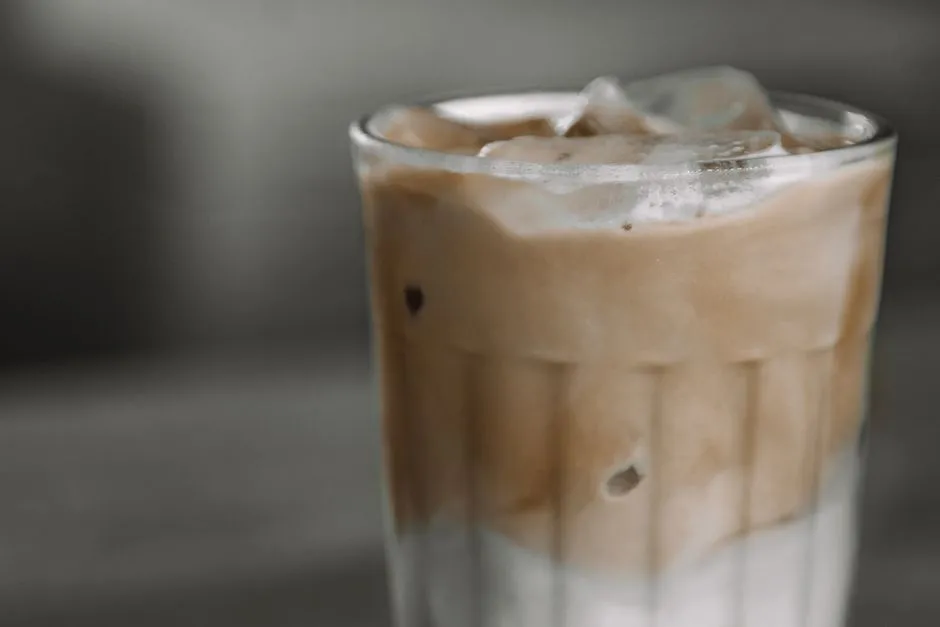
A one-glass ratio that includes the ice
This iced oat-milk coffee uses 1/2 cup (120 ml) chilled strong coffee, 1/2 cup (120 ml) oat milk, and 1 cup of ice for one 12- to 16-ounce glass. The coffee is brewed at roughly twice your usual strength so melting ice can dilute it without turning the drink into a rumor about coffee.
The exact caffeine content cannot be calculated from volume alone. It varies with the coffee, bean, roast, grind, brew ratio, method, and serving. Choose regular, half-caf, or decaffeinated coffee according to labels and qualified guidance that applies to you.
Browse more measured drinks in coffee drinks.
Ingredients
- 1/2 cup (120 ml) strong brewed coffee, chilled
- 1/2 cup (120 ml) refrigerated oat milk
- 1 cup ice cubes, about 5 ounces (140 g), plus more if needed
- 1 to 2 teaspoons maple syrup or simple syrup, optional
- small pinch ground cinnamon, optional
This makes about 1 1/2 cups (360 ml) before the full ice melt: 120 ml coffee + 120 ml oat milk + roughly 120 ml displaced by part of the ice in the glass. Ice geometry varies, so glass capacity is a practical range rather than laboratory theater.
Check the oat-milk label for allergens, cross-contact, added flavor, sweetener, storage, and suitability for your needs. Oats, shared equipment, and additives can matter. Use another verified milk when required.
Brew strong coffee safely
Make coffee using the equipment manufacturer's instructions and about twice the usual coffee-to-water concentration you enjoy. For example, if your normal method uses a given amount of grounds for 1 cup of finished coffee, use that grounds amount to produce about 1/2 cup finished coffee. Brewing methods retain different water amounts, so follow output rather than guessing from grounds alone.
Do not exceed the machine's coffee or water capacity. Never improvise pressure, seals, filters, or vessels.
Transfer the hot finished coffee to a clean heat-safe container. Let heavy steaming subside briefly, cover, and refrigerate promptly. Do not pour hot coffee into ordinary glass that is not rated for thermal change, and do not leave it at room temperature for hours to “cold brew itself by patience.”
Sweeten before the cold ingredients
If using maple or simple syrup, stir it into the coffee while the brew is still warm enough to dissolve it easily, then chill. Granulated sugar can remain gritty in a cold finished drink unless first dissolved into a syrup.
Begin with 1 teaspoon. The oat milk may already contain sugar or flavoring, and the recipe is easier to sweeten than to negotiate backward.
Build the glass in order
Fill a clean 12- to 16-ounce glass with 1 cup of ice. Pour in the 1/2 cup chilled coffee, then add 1/2 cup cold oat milk. Stir for 10 to 15 seconds. Taste after the ingredients are fully mixed.
Add another splash of oat milk only if you want a milder drink. If the coffee already tastes weak, extra milk cannot reverse dilution; use a stronger chilled brew next time or freeze leftover approved coffee into clean cubes.
The coffee overnight oats uses a smaller 1/4-cup portion of chilled coffee, while light breakfasts explains why “light” describes a style of serving here, not a nutrition promise.
Adjust one variable next time
For a stronger result, increase brew concentration while keeping the 1/2-cup finished volume. For less dilution, use larger cubes, a prechilled glass, or coffee ice. For more body, choose an oat milk formulated for coffee if its ingredients meet your needs. Product texture varies, so the label and your glass outrank internet mythology.
Drink the beverage promptly while cold. Return oat milk to refrigeration immediately and follow its opened-package instructions. Discard a drink left outside safe time and temperature limits rather than using fresh ice as a tiny frozen reset button.